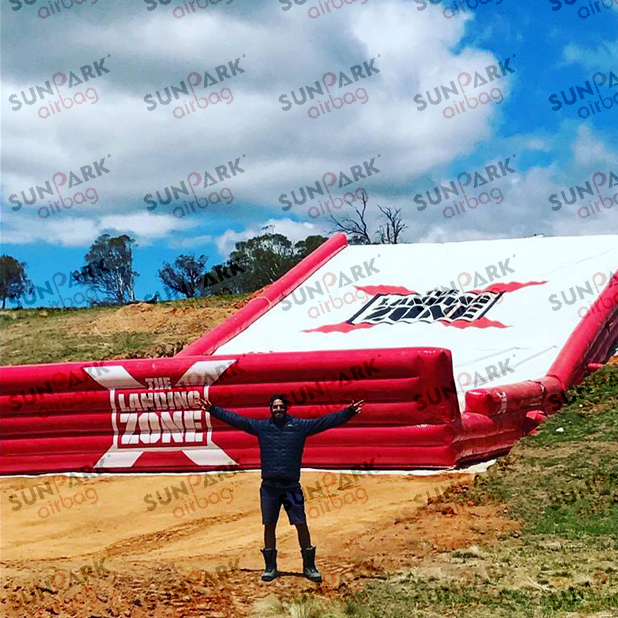
Landing-Airbag-1

Top Tips for BMX & MTB Training with Airbags

1. Introduction — Why airbags are a game changer

Practicing tricks on a BMX airbag or MTB airbag allows riders to progress in a safer, more predictable environment than dirt jumps or concrete parks. A well-designed landing bag absorbs impact, lets you crash without major injury risk, and resets quickly for high-volume training. This is why athletes at all levels — from weekend riders to pros — integrate airbags into their stunt training.


2. Benefits of BMX and MTB airbag training

  • Reduced risk of injury: airbags minimize the chance of hard landings.

  • Faster progression: riders can attempt tricks repeatedly with lower consequences.

  • Confidence building: helps athletes commit fully to new maneuvers.

  • Higher throughput: multiple riders per session thanks to quick exits and reset.

  • Cross-sport versatility: usable for BMX, MTB, scooters, and freestyle skis.

See SunparkAirbag’s MTB Jump Airbag product designed specifically for mountain bikers.


3. Choosing the right BMX airbag or MTB airbag

When selecting equipment, factors include size, portability, venting systems, and surface design. Sunpark offers options like:


4. Core skills: approach, speed, and balance

  • Approach line: set up a straight, consistent run-in.

  • Speed management: too slow = undershoot, too fast = overshoot. Use markers or coaching cues.

  • Body balance: keep shoulders square, head up, and weight centered.

  • Commitment: airbags reward full commitment — half-hearted attempts often lead to awkward landings.


5. Progression framework — from beginner to advanced tricks

Rider LevelTricks to PracticeRecommended Equipment
BeginnerStraight airs, one-handers, no-footerssafe foam pit
IntermediateBar spins, tailwhips, 360sBMX airbag
AdvancedBackflips, frontflips, combo tricksMTB airbag or inflated landing bag

6. Safety tips and injury prevention

  1. Always warm up with basic tricks.

  2. Wear a full-face helmet, pads, and gloves.

  3. Have a spotter/coach on-site.

  4. Check the airbag inflation level before each session.

  5. Progress gradually — don’t skip steps in the trick ladder.


7. Landing bag setup and maintenance

A properly set up landing bag makes training safe and efficient:

  • Flat ground & anchors: follow the anchor drawings provided by Sunpark.

  • Blower redundancy: always use backup blowers.

  • Daily inspections: check seams, pressure, and vent operation.

  • Cleaning: wipe down the surface regularly to keep it hygienic.

See Air Landing overview for setup guides.


8. Comparison: airbags vs. foam pits vs. dirt jumps

Training MethodProsCons
AirbagsSafe, quick reset, portableRequires blower & power
Foam pitsSoft landings, indoor useHygiene issues, slow resets
Dirt jumpsReal-world feelHigh risk, weather dependent

For trampoline parks, see trampoline park equipment to compare.


9. Case studies & rider experiences

  • BMX Park Rider: learned a bar spin in 3 days with an airbag — previously avoided for months due to fear of injury.

  • MTB Freerider: transitioned from a gym airbag to dirt jumps safely.

  • Trampoline Park Operator: increased throughput by 30% after installing airbags compared to foam pits.


10. Best practices for gyms and parks

  • Offer progressive platforms (low → high).

  • Post clear rules on usage.

  • Schedule group sessions to reduce crowding.

  • Use colored covers and branding for visibility.

  • Rotate top sheets for hygiene.

See stunt training airbag for commercial setups.


11. Buying checklist for BMX & MTB airbags

  1. Size and footprint fit for your site.

  2. Pillar/venting design for tunable landings.

  3. Spare parts and repair kits included.

  4. Certification and safety reports.

  5. Branding/customization options.

  6. Delivery, installation, and warranty terms.


12. Internal resource links (SunparkAirbag)


13. External references & safety standards

  1. UCI BMX Freestyle Safety Guidelineshttps://www.uci.org/

  2. IMBA (International Mountain Biking Association) trail & safety standards — https://www.imba.com/

  3. ASTM F2374 — Inflatable Amusement Device Safety Standard — https://www.astm.org/

These external standards ensure your BMX/MTB airbag training aligns with recognized safety best practices.


14. Conclusion — ride safer, progress faster

Training with a BMX airbag or MTB airbag is one of the fastest and safest ways to learn new tricks, reduce fear, and build confidence. Whether you’re a rider pushing your freestyle progression, or a park owner looking to boost safety and throughput, airbags are the most reliable choice.

👉 Ready to get started? Explore SunparkAirbag’s products hub to find the right airbag solution for your riding style or facility.
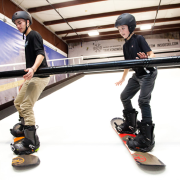
微信图片 20251003150805 59 1047

Top Tips for BMX & MTB Training with Airbags

Table of Contents

  1. Introduction — Why airbags are a game changer

  2. Benefits of BMX and MTB airbag training

  3. Choosing the right BMX airbag or MTB airbag

  4. Core skills: approach, speed, and balance

  5. Progression framework — from beginner to advanced tricks

  6. Safety tips and injury prevention

  7. Landing bag setup and maintenance

  8. Comparison: airbag training vs. foam pits vs. dirt jumps

  9. Case studies & rider experiences

  10. Best practices for gyms and parks

  11. Buying checklist for the best BMX & MTB airbags

  12. Internal resource links (SunparkAirbag)

  13. External references & safety standards

  14. Conclusion — ride safer, progress faster


1. Introduction — Why airbags are a game changer

Practicing tricks on a BMX airbag or MTB airbag allows riders to progress in a safer, more predictable environment than dirt jumps or concrete parks. A well-designed landing bag absorbs impact, lets you crash without major injury risk, and resets quickly for high-volume training. This is why athletes at all levels — from weekend riders to pros — integrate airbags into their stunt training.


2. Benefits of BMX and MTB airbag training

  • Reduced risk of injury: airbags minimize the chance of hard landings.

  • Faster progression: riders can attempt tricks repeatedly with lower consequences.

  • Confidence building: helps athletes commit fully to new maneuvers.

  • Higher throughput: multiple riders per session thanks to quick exits and reset.

  • Cross-sport versatility: usable for BMX, MTB, scooters, and freestyle skis.

See SunparkAirbag’s MTB Jump Airbag product designed specifically for mountain bikers.


3. Choosing the right BMX airbag or MTB airbag

When selecting equipment, factors include size, portability, venting systems, and surface design. Sunpark offers options like:


4. Core skills: approach, speed, and balance

  • Approach line: set up a straight, consistent run-in.

  • Speed management: too slow = undershoot, too fast = overshoot. Use markers or coaching cues.

  • Body balance: keep shoulders square, head up, and weight centered.

  • Commitment: airbags reward full commitment — half-hearted attempts often lead to awkward landings.


5. Progression framework — from beginner to advanced tricks

Rider LevelTricks to PracticeRecommended Equipment
BeginnerStraight airs, one-handers, no-footerssafe foam pit
IntermediateBar spins, tailwhips, 360sBMX airbag
AdvancedBackflips, frontflips, combo tricksMTB airbag or inflated landing bag

6. Safety tips and injury prevention

  1. Always warm up with basic tricks.

  2. Wear a full-face helmet, pads, and gloves.

  3. Have a spotter/coach on-site.

  4. Check the airbag inflation level before each session.

  5. Progress gradually — don’t skip steps in the trick ladder.


7. Landing bag setup and maintenance

A properly set up landing bag makes training safe and efficient:

  • Flat ground & anchors: follow the anchor drawings provided by Sunpark.

  • Blower redundancy: always use backup blowers.

  • Daily inspections: check seams, pressure, and vent operation.

  • Cleaning: wipe down the surface regularly to keep it hygienic.

See Air Landing overview for setup guides.


8. Comparison: airbags vs. foam pits vs. dirt jumps

Training MethodProsCons
AirbagsSafe, quick reset, portableRequires blower & power
Foam pitsSoft landings, indoor useHygiene issues, slow resets
Dirt jumpsReal-world feelHigh risk, weather dependent

For trampoline parks, see trampoline park equipment to compare.


9. Case studies & rider experiences

  • BMX Park Rider: learned a bar spin in 3 days with an airbag — previously avoided for months due to fear of injury.

  • MTB Freerider: transitioned from a gym airbag to dirt jumps safely.

  • Trampoline Park Operator: increased throughput by 30% after installing airbags compared to foam pits.


10. Best practices for gyms and parks

  • Offer progressive platforms (low → high).

  • Post clear rules on usage.

  • Schedule group sessions to reduce crowding.

  • Use colored covers and branding for visibility.

  • Rotate top sheets for hygiene.

See stunt training airbag for commercial setups.


11. Buying checklist for BMX & MTB airbags

  1. Size and footprint fit for your site.

  2. Pillar/venting design for tunable landings.

  3. Spare parts and repair kits included.

  4. Certification and safety reports.

  5. Branding/customization options.

  6. Delivery, installation, and warranty terms.


12. Internal resource links (SunparkAirbag)


13. External references & safety standards

  1. UCI BMX Freestyle Safety Guidelineshttps://www.uci.org/

  2. IMBA (International Mountain Biking Association) trail & safety standards — https://www.imba.com/

  3. ASTM F2374 — Inflatable Amusement Device Safety Standard — https://www.astm.org/

These external standards ensure your BMX/MTB airbag training aligns with recognized safety best practices.


14. Conclusion — ride safer, progress faster

Training with a BMX airbag or MTB airbag is one of the fastest and safest ways to learn new tricks, reduce fear, and build confidence. Whether you’re a rider pushing your freestyle progression, or a park owner looking to boost safety and throughput, airbags are the most reliable choice.

👉 Ready to get started? Explore SunparkAirbag’s products hub to find the right airbag solution for your riding style or facility.
Snowboard Airbag Training

Custom Airbags: From Concept to 3D Design & Delivery

Table of contents

  1. Introduction — why a custom airbag matters

  2. Who needs a custom airbag? Use cases and examples

  3. The full design-to-delivery workflow (step-by-step)

  4. 3D design, prototyping & engineering details

  5. Materials, certifications and compliance you should require

  6. Branding, OEM options and artwork integration

  7. Manufacturing, quality control and testing on the factory floor

  8. Logistics, on-site installation & handover

  9. Pricing, lead times and procurement tips

  10. Decision checklist — what to ask before you order

  11. Case studies & internal resources (quick links)

  12. Conclusion — next steps and contact


1. Introduction — why a custom airbag matters

A custom airbag lets you move beyond “one-size-fits-all” landing or attraction solutions and get a product tuned to your site, user profile, branding and regulatory needs. Whether you’re specifying a bespoke landing for an Olympic training center, a branded freefall attraction at a theme park, or OEM airbags for a sports-equipment line, a custom approach reduces risk, improves usability and creates a better guest — and athlete — experience. SunparkAirbag explicitly offers custom solutions and will send 3D design confirmations before production. SunparkAirbag+1


2. Who needs a custom airbag? Use cases and examples

Custom airbags are the right choice when off-the-shelf sizes or profiles won’t meet your operational, safety or branding goals. Common use cases include:

  • Olympic / elite training centers that require exact attenuation curves and footprint fits. See Sunpark’s product hub and custom pages for high-performance solutions. SunparkAirbag

  • Theme parks, event operators and attractions that want freefall or twin-platform installations painted with brand colors and logos. See Sunpark’s freefall and attraction product lines. SunparkAirbag+1

  • Trampoline parks and gyms converting cube pits to foam-pit/airbag hybrids tuned for class sizes and ceiling heights. SunparkAirbag

  • OEM partners who want private-label or co-branded airbags for resale or bundled equipment packages. Manufacturer sites show OEM/manufacturing capabilities. SUNPARK

If your project is even slightly non-standard — different slope geometry, vehicle-rated impacts, unusual site constraints, or specific color/branding — you should evaluate a custom design from the start. Sunpark’s custom-airbag page explains bespoke options and contact steps. SunparkAirbag


3. The full design-to-delivery workflow (step-by-step)

Below is the practical workflow Sunpark and most professional manufacturers follow when delivering a production-grade custom airbag. Use this as your procurement map.

  1. Initial briefing & requirements capture

    • Stakeholders, target users (kids / adults / vehicles), regulatory region, site photos, run-in/run-out geometry, weights and throughput targets.

  2. Concept sketches & feasibility

    • Quick 2D layouts and rough sizing to validate concept.

  3. 3D design & CAD model (you’ll receive 3D preview / render for sign-off) — this is where venting, pillar layouts and branding placements are rendered. SunparkAirbag

  4. Material / hardware specification — shell fabric, valves, anchors, blower specs, flame/UV/cold ratings.

  5. Prototype / sample (for large or safety-critical projects) — small section or full-scale mockup if required.

  6. Pre-production testing — bench tests, pressure cycles, seam checks, material certificates.

  7. Production — assembly, sewing, seam welding and QA at the factory. Sunpark documents show their factory and manufacturing processes. SunparkAirbag+1

  8. Shipping & logistics — crating, palletizing, customs paperwork for international shipments.

  9. On-site installation & commissioning — anchor layout, blower setup, test drops and staff training. Sunpark provides installation guides and site support. SunparkAirbag

  10. Handover, documentation & spare parts — as-built drawings, maintenance schedule, repair kits, and any factory warranty paperwork.

Quick process checklist (table)

PhaseDeliverableWho signs off
BriefProject brief, photos, constraintsClient
Concept2D sketch, footprintClient & design lead
3DCAD renders / 3D mockupsClient
Pre-prodTest report, sample approvalClient & QA
ProductionFinal QA reportManufacturer
InstallCommissioning report, training logClient & Installer

4. 3D design, prototyping & engineering details

Why 3D design matters

A 3D model turns abstract specs into a tangible model you can rotate, measure and simulate. When Sunpark says “3D design will be sent for confirmation,” it means you’ll get a CAD (or realistic render) showing the exact seams, vents, logos and anchor points before the factory cuts fabric. This is critical for:

  • Verifying that the airbag fits your pit/footprint. SunparkAirbag

  • Simulating pillar/chamber layouts so you avoid bottom-out in the wrong place.

  • Showing exact branding placement and stitch lines for your marketing team.

Typical 3D deliverables

  • Full-scale CAD model or high-resolution photorealistic render.

  • Seams & panel layout drawings for manufacturer input.

  • Technical drawings: cut patterns, valve placements, anchor positions, and blower interface.

  • Optionally, a simple finite-element or dynamic simulation of compression if requested for high-risk designs.

Prototyping notes

For vehicle-rated or very large airbags, a partial prototype (sample pillar module or a single corner) can speed approval cycles and uncover manufacturing challenges early.


5. Materials, certifications and compliance you should require

Custom airbags are made from high-performance coated textiles and hardware; insist on spec sheets and certificates.

Material specs to request

  • Top-layer fabric: PU/PVC coated polyester or TPU — state abrasion, cold flexibility, UV and flame retardancy.

  • Seam type & strength: stitched + welded seams, seam-tensile test certificates.

  • Valve & vent hardware: rated for cycles and serviceability.

  • Anchors & D-rings: stainless or plated steel hardware with load rating.

Standards & certifications (external authoritative references)

Ask your supplier for evidence of compliance with applicable standards — these are commonly used references for inflatable manufacturing and safety:

  • ASTM F2374 — Standard Practice for inflatable amusement devices (design, manufacture, operation and maintenance). ASTM International | ASTM

  • EN 14960 (and related EN standards) — safety and test methods for inflatable play equipment in Europe. https://www.en-standard.eu

  • REACH / chemical compliance for materials sold in the EU — ensure your fabric chemicals are REACH-compliant. echa.europa.eu

Manufacturers like Sunpark state CE or EN certifications where applicable — request documentation for any certification claimed. SunparkAirbag


6. Branding, OEM options and artwork integration

A custom airbag is also a branding asset. Typical branding options:

  • Full-surface digital printing or vinyl appliqué for logos and sponsors.

  • Custom colorways for park/theme consistency.

  • Laser-cut or printed seam lines that integrate with the bag aesthetic.

Sunpark advertises bespoke branding and OEM capabilities — discuss artwork file formats (vector .ai or .eps preferred), color proofs, and trim allowances during the 3D sign-off stage. SunparkAirbag+1

OEM partnerships

For OEM airbags (private-label), confirm:

  • Minimum order quantities (MOQs), lead times, and exclusivity/patent considerations.

  • Labeling & serial numbering for warranty and traceability.

  • After-sales parts support and spare inventory.

Manufacturer sites and their corporate pages often list OEM and manufacturing services—review Sunpark’s manufacturing/ABOUT pages for details. SUNPARK+1


7. Manufacturing, quality control & factory testing

Good factories follow clear QC gates:

  1. Incoming material inspection — confirm roll certificates and chemical compliance.

  2. In-process inspection — stitch count, seam weld tests, and valve mounting checks.

  3. Final pressure/pressure-hold test — verify the bag holds rated pressure and venting performs as designed.

  4. Cycle testing — repeated inflation/deflation cycles on critical models.

  5. Packing & documentation — pack with repair kit, spare filters, and maintenance manuals.

Sunpark’s production pages showcase that they operate experienced facilities and provide pre-production testing—ask for their QC checklist when you request a quote. SunparkAirbag+1


8. Logistics, on-site installation & handover

Shipping & customs

  • Crate, palletize and label for export. Ensure importer documentation is complete (commercial invoice, packing list, HS codes).

  • Discuss who handles import duties and local partner support for installation.

On-site installation checklist

  • Confirm ground prep (flat, debris-free area, ground sheet).

  • Fix anchor positions per supplied drawing; validate ground bearing and drainage.

  • Set up blowers on dedicated circuits and test re-inflate/recovery times.

  • Conduct supervised test drops (incremental, recorded vent settings).

  • Deliver training for operators and handover maintenance documentation.

Sunpark provides installation support and can supply anchor drawings and commissioning assistance as part of the delivery. SunparkAirbag


9. Pricing, lead times and procurement tips

Pricing factors

  • Bag size and complexity (multi-chamber / vehicle-rated).

  • Custom printing and branding.

  • Hardware spec (marine-grade anchors, heavy duty valves).

  • Certifications and testing scope.

  • Shipping and any on-site installation services.

Typical lead times

  • Small custom runs or color variants: 3–6 weeks.

  • Large bespoke systems, vehicle-rated or heavy engineering: 8–14+ weeks (including testing and shipping).

Always ask vendors for a time-phased schedule (concept → prototype → test → production → ship). Consider a pilot or small initial order for new suppliers.


10. Decision checklist — what to ask before you order

  • Can you provide a 3D model and panel layout before production? (Required) SunparkAirbag

  • Do you have material test certificates and flame/UV/cold ratings? (Required)

  • Can you share attenuation / performance testing data for similar models? (Required)

  • What anchor plan do you recommend for my site and wind profile? (Required)

  • What spare parts and service support are included? (Required)

  • What are the exact lead times and payment milestones? (Required)

  • Are OEM/branding and MOQ terms acceptable for my business case? (Negotiable)

Use this checklist when requesting quotes and comparing suppliers.


11. Case studies & internal resources (quick links)

Below are SunparkAirbag pages that are useful during vendor evaluation and project definition — I recommend bookmarking them and referencing the specific product pages during your RFQ (these links are live examples of custom and product pages):

(Use these links in your internal RFQ and add the exact model references in your purchase order.)


12. Conclusion — next steps and contact

A successful custom airbag project balances performance, safety and branding. Start by capturing your requirements (user profiles, site constraints, branding needs), then request a 3D design and attenuation data before you commit to production. Manufacturers such as SunparkAirbag explicitly provide custom design, 3D render confirmations, and production/testing services — use their custom airbag and design pages to kick off your RFQ.

12.-Custom-Airbag-495x388

Custom Airbags: Tailored Safety Solutions for Diverse Needs

Custom Airbags: Tailored Safety Solutions for Diverse Needs

Custom airbags are specialized safety solutions, meticulously designed and manufactured to cater to your unique requirements. Whether it’s for action sports training, stunt performances, or entertainment purposes, these airbags offer unparalleled versatility and performance.

Key Features of Custom Airbags

  • Customizable Size, Shape, and Color: Tailor the airbag to fit your specific space and aesthetic preferences.
  • Durable and High-Quality Materials: Constructed with robust materials to ensure longevity and reliability.
  • Advanced Safety Features: Incorporate cutting-edge safety technologies to minimize the risk of injury.
  • Optional Branding and Logos: Personalize your airbag with logos and designs to enhance brand visibility.

Introduction to Custom-Designed Airbags

Custom airbags stand out for their exceptional flexibility in design and functionality. Unlike standard airbags that come in limited sizes and configurations, custom airbags are crafted to meet your exact needs. This allows you to create a solution that seamlessly integrates into your facility, satisfies specific safety requirements, and reflects your unique branding identity.

Tailor-Made Airbag Solutions for Every Application

At SunparkAirbag, we collaborate closely with you to understand your site requirements, usage preferences, and desired features. Whether you need a custom airbag for a specific location, a unique shape to fit around existing equipment, or specialized features like bumpers, air vents, or anchoring systems, we can turn your vision into reality.

Applications and Benefits of Custom Airbags

Custom airbags find applications in a wide range of settings, including:

  • Ski resorts
  • Theme parks
  • Action sports facilities
  • Gymnastics centers
  • Stunt performances
  • Film and television productions

Benefits of Choosing a Custom Airbag

  • Enhanced Safety: A custom-designed airbag can be tailored to address your specific safety concerns, reducing the risk of injury for athletes, stunt performers, or participants.
  • Optimized Performance: We can incorporate custom features that enhance the airbag’s performance for your intended use, whether it’s for practicing specific tricks, absorbing high-impact landings, or providing a controlled landing experience.
  • Unique Branding: Add your logo, company colors, or custom designs to create a visually striking and memorable experience.

Case Studies

Custom Airbag for Scooter Stunt Training in Spain

A Spanish client sought to create a safe and effective training environment for scooter stunt riders. They had a specific location in mind and required a custom airbag design to fit the space perfectly. Our team worked closely with them to design an airbag with an irregular shape, customized bumpers, and a sloped top platform for a dynamic landing surface. The final product seamlessly integrated into their facility, providing a safe and engaging training experience.

Gymnastics Airbag with Protruding Section for US Training Facility

A U.S. customer provided detailed specifications for an airbag, including overall dimensions, a protruding section, and specific requirements for the top sheet and fan tube placement. Our design team meticulously crafted an airbag that met all these requirements, ensuring it was perfect for the customer’s gymnastics training needs.

SunparkAirbag: Your Trusted Partner for Custom Airbag Solutions

SunparkAirbag is a renowned airbag company in China, recognized for its superior quality sports airbags. We have collaborated with Olympic training facilities, ski resorts, trampoline parks, and renowned athletes to create tailor-made airbag solutions that meet their unique needs and requirements. With years of experience in design and manufacturing, a commitment to using high-quality materials and advanced techniques, and a dedicated team of experts, we are your ideal partner for custom airbag solutions.

Ready to Create Your Custom Airbag?

Contact us today at [email protected] to embark on your custom airbag journey! We’ll work closely with you to bring your ideas to life and deliver a high-quality product that exceeds your expectations.

Custom Airbag Designs How Tailored Solutions Improve Safety in Theme Parks and Sports Facilities

Custom Airbag Designs: How Tailored Solutions Improve Safety in Theme Parks and Sports Facilities

Custom airbag designs are revolutionizing safety measures in theme parks and sports facilities. These tailored solutions are crafted to meet specific needs, providing enhanced protection for users while accommodating a variety of activities. 

By effectively absorbing impacts, custom airbags not only promote a safer environment but also allow for greater freedom in design and functionality. In this article, we’ll explore the numerous benefits of these innovative airbag systems and how they are setting new safety standards in the industry.

Custom Airbag for extreme sports, entertainment and more

BUY CUSTOM AIRBAGS HERE

What Are Custom Airbags?

Custom airbags are specially designed safety devices tailored to meet the unique requirements of various activities in theme parks and sports facilities. Unlike standard airbags, these custom solutions can be crafted to specific sizes, shapes, and impact absorption capacities, ensuring optimal protection for users. Custom airbags have several benefits because they offer:

  • Tailored Design: Each airbag can be modified to fit specific locations or activities, enhancing safety.
  • Impact Absorption: Engineered to effectively absorb shocks and reduce the risk of injury.
  • Durable Materials: Constructed from high-quality, resilient materials for long-lasting performance.
  • Versatile Applications: Suitable for a wide range of extreme sports and recreational activities.

Key Features of Our Custom Airbags:

By prioritizing safety and functionality, custom airbags contribute significantly to creating a secure environment for thrill-seekers and athletes alike. Here are the key features of our custom airbags:

Customizable Size, Shape, and Color

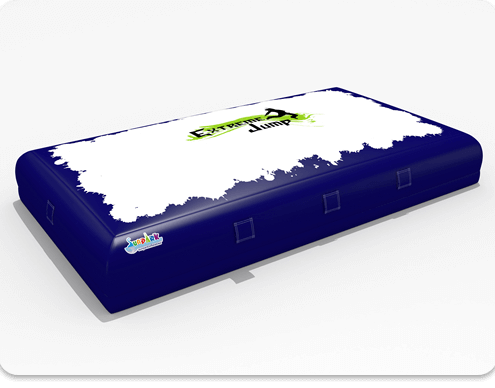
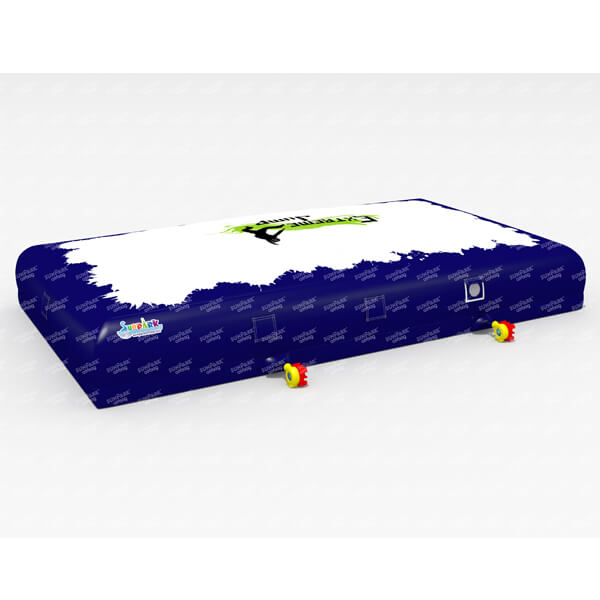
Custom airbags can be tailored in size, shape, and color to meet specific requirements for various activities, from action sports training to entertainment. This customization ensures that each airbag fits perfectly within its intended environment, enhancing both safety and aesthetic appeal.

Durable and High-Quality Materials

Constructed from durable, high-quality materials, custom airbags are designed to withstand rigorous use. Their robust construction ensures longevity and reliability, making them suitable for demanding applications in sports and stunt work.

Advanced Safety Features

These airbags are equipped with advanced safety features that enhance protection for users. Innovations such as multi-layer construction and adjustable air vents provide customizable firmness, reducing the risk of injuries during high-energy activities.

Optional Branding and Logos

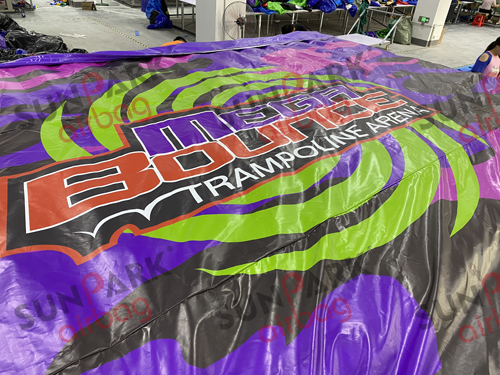
Custom airbags can also incorporate branding and logos, allowing facilities to promote their identity while ensuring safety. This feature not only enhances visibility but also reinforces a brand’s commitment to quality and safety in recreational environments.

The Importance of Safety in Theme Parks and Sports Facilities

Trampoline Park Airbag Replacement -Logo Printed Top Sheet

Ensuring safety in theme parks and sports facilities is crucial for both operators and visitors. With the potential for high-impact activities and thrilling rides, effective safety measures can make all the difference in creating a positive experience.

Risk of Injuries

Extreme sports and amusement park attractions often involve inherent risks. Visitors engaging in high-energy activities are susceptible to various injuries, from minor bumps and bruises to serious accidents. The unpredictable nature of these environments requires comprehensive safety measures to mitigate these risks. Custom airbags play a significant role in reducing injury severity by providing a cushioned landing surface that absorbs impact.

Enhancing Visitor Confidence

When safety is prioritized, visitors feel more confident engaging in activities. This trust can lead to increased attendance and customer satisfaction, positively impacting a facility’s reputation. A well-designed safety system, such as custom airbags, reassures guests that their safety is a top priority, encouraging them to try new rides and activities. This confidence not only enhances their experience but also fosters loyalty to the facility.

Regulatory Compliance

Adhering to safety regulations not only protects visitors but also helps facilities avoid legal repercussions. Meeting industry standards is vital for maintaining operational licenses and ensuring liability coverage. Custom airbags designed to comply with safety regulations demonstrate a facility’s commitment to upholding these standards. By investing in safety equipment, operators can avoid potential fines and legal issues while creating a secure environment for all.

Long-Term Sustainability

Investing in safety measures, such as custom airbags, contributes to the long-term sustainability of theme parks and sports facilities. By reducing accidents and enhancing the overall experience, operators can foster a loyal customer base and encourage repeat visits. Facilities that prioritize safety are more likely to thrive in the competitive entertainment industry, as satisfied customers share their positive experiences, attracting new visitors.

The Role of Staff Training

Beyond equipment, proper staff training is essential for maintaining safety. Employees should be well-versed in emergency procedures and equipped to respond swiftly to incidents. Regular training sessions that emphasize the importance of safety protocols ensure that staff members are prepared to manage any situation effectively, further enhancing visitor confidence.

Creating a Culture of Safety

Establishing a culture of safety within a facility encourages everyone—staff and visitors alike—to prioritize safety. Clear communication regarding safety measures, such as the presence of custom airbags, helps reinforce the importance of adhering to guidelines. When safety becomes an integral part of the facility’s identity, it fosters a shared responsibility among all participants, enhancing the overall atmosphere.

Custom Airbag (1)

BUY CUSTOM AIRBAGS HERE

How Custom Airbags Can Improve Safety in Sports Facilities And Theme Parks?

Custom airbags are designed to enhance safety in high-impact environments, making them an essential feature in sports facilities and theme parks. By providing tailored solutions for various activities, these airbags significantly reduce the risk of injuries, allowing users to enjoy exhilarating experiences with added peace of mind.

Enhanced Impact Absorption

One of the primary benefits of custom airbags is their ability to absorb impact effectively. Unlike traditional safety measures, which may not cater to specific activities, custom airbags are engineered to dissipate the force of falls or jumps, significantly reducing the likelihood of injury. Their adaptive design allows them to conform to different shapes and sizes, ensuring optimal cushioning for various types of landings.

Versatile Applications

Custom airbags can be deployed across a wide range of activities in sports facilities and theme parks. Whether used for trampolining, skateboarding, or high-flying stunts, these airbags can be tailored to meet the demands of specific sports and rides. This versatility means that no matter the activity, safety can be prioritized without compromising the thrill of the experience.

Customization for Specific Activities

Every sport and attraction has unique safety needs. Custom airbags can be designed to suit individual activities, taking into account factors such as height, speed, and landing technique. For example, a trampoline park may require larger, thicker airbags to accommodate high jumps, while a bungee jumping facility might need specialized airbags that provide a softer landing. This level of customization ensures that safety measures are always aligned with the activity’s requirements.

Increased User Confidence

When participants know that custom airbags are in place, they feel more secure engaging in high-risk activities. This confidence encourages users to push their limits, leading to greater enjoyment and satisfaction. Facilities that prioritize safety through the use of custom airbags can attract more visitors and retain loyal customers who appreciate the commitment to their well-being.

Compliance with Safety Standards

Custom airbags are often designed to meet or exceed industry safety standards, ensuring that facilities comply with regulatory requirements. By investing in high-quality, purpose-built airbags, operators can avoid potential fines or legal issues while demonstrating their commitment to safety. This compliance not only protects the business but also fosters trust among visitors.

Long-Term Cost Savings

Investing in custom airbags can lead to long-term cost savings for sports facilities and theme parks. While the initial investment may be higher, the reduction in injury rates can significantly lower liability costs, medical expenses, and insurance premiums. Additionally, a safe environment can attract more customers, boosting revenue and offsetting initial expenditures.

Snowboard Park Airbags

Wrap-Up!

Custom airbags are essential for enhancing safety in sports facilities and theme parks. Their ability to absorb impact, versatility across activities, and tailored designs significantly reduce injury risks, fostering confidence among users. 

By prioritizing safety, these innovative solutions not only comply with industry regulations but also contribute to long-term cost savings and a better overall experience for visitors. Investing in custom airbags is a proactive step toward ensuring a safer and more enjoyable environment for all.